
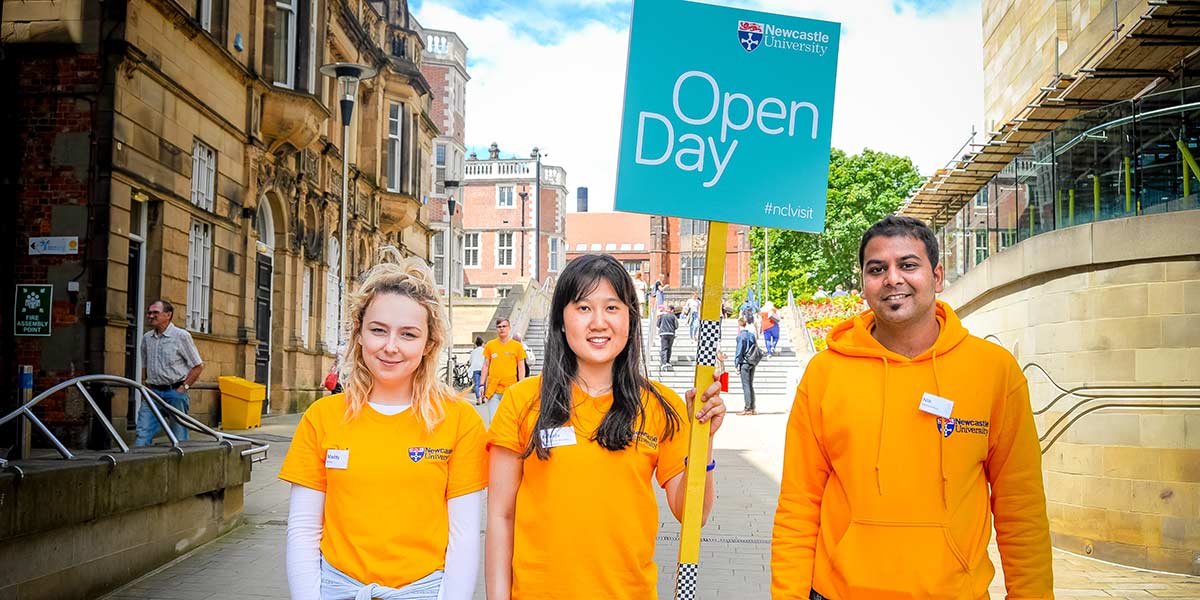
If you’re in the process of choosing a university, attending an open day is one of the most valuable steps you can take. Open days provide a unique opportunity to see the campus firsthand, meet staff and students, and get a feel for what life at the university will be like. But with so much going on, it can be a little overwhelming if you don’t know what to expect. Here’s a rundown of what to expect at a university open day and how to make the most of your visit.
1. The Welcome and Registration
Your open day experience usually begins with a welcome desk where you’ll check in and collect your schedule for the day. You’ll receive a brochure or a map of the campus, along with any other information about the university’s programs, student life, and facilities. This is also where you’ll learn about any specific sessions or events that are taking place throughout the day, so be sure to take note of key times and locations.
Pro tip: Arrive early to get a good head start, especially if you want to attend popular sessions or campus tours.
2. Campus Tours
One of the first activities on most open day schedules is the campus tour. Led by a student ambassador, this guided tour will walk you through key areas on campus, such as lecture halls, the library, student union spaces, cafes, and recreational facilities. It’s your chance to explore the physical environment of the university and see where you’ll be spending much of your time if you choose to study there.
You’ll also likely hear about the student accommodation options, campus life, and where you’ll be able to access services like counseling, student support, and career advice.
Pro tip: Ask your guide about things like campus safety, transportation options, and the best places to study or hang out between classes.
3. Subject-Specific Sessions
Once you’ve gotten a feel for the campus, many open days feature specific talks about the courses and subjects you’re interested in. These sessions are a great opportunity to dive deeper into your chosen field of study and learn more about what to expect from the curriculum. Professors and program coordinators usually lead these sessions, and they’ll discuss the course structure, key modules, assessment methods, and potential career paths.
These talks can also give you a chance to ask questions about the workload, the teaching style, and any special opportunities the program might offer, such as study abroad options, internships, or research opportunities.
Pro tip: Bring a list of questions to ask during these sessions to get as much information as possible.
4. Meet Current Students and Faculty
University open days are all about helping you understand what it’s really like to study at the institution. After the formal presentations, take the opportunity to chat with current students. They can provide you with an honest perspective on university life, the best and worst parts of their experience, and offer tips on things like managing stress and balancing academic and social life.
You’ll also have the chance to meet faculty members and ask them about their teaching style, research projects, and any other questions you might have about the program.
Pro tip: Don’t be afraid to ask current students about their daily routine, social activities, and what they wish they’d known before starting university.
5. Accommodation Tours
If you’re planning to live on campus, many open days offer tours of student accommodations. These tours give you a chance to see what the rooms look like, how the shared spaces are arranged, and whether the living situation feels right for you. The accommodations vary from dormitories to self-catered flats, and touring them can give you a sense of the social atmosphere and the day-to-day living conditions.
Some universities even provide a chance to view private student accommodation options nearby, which is worth considering if you plan on living off-campus.
Pro tip: Pay attention to the location of accommodation relative to the campus. Will it be easy to walk to classes, or will you need to rely on public transportation?
6. Information on Student Life and Support Services
University life isn’t just about academics—it’s also about community. Most open days feature booths or talks about the university’s extracurricular activities, student societies, sports teams, and clubs. Whether you’re into sports, music, volunteering, or cultural activities, finding a university that offers the right extracurricular opportunities is an important part of choosing where to study.
You’ll also have the chance to learn more about student support services, including mental health resources, career advice, disability support, and academic tutoring.
Pro tip: Take note of the student clubs and societies that interest you. Joining a club can help you meet like-minded people and feel more connected to campus life.
7. Admissions and Finance Information
One of the most important aspects of any open day is understanding the admissions process and learning about the financial aspects of university life. Many open days feature specific sessions or information desks where you can learn about application deadlines, entry requirements, and the UCAS process (for UK universities).
You’ll also have the opportunity to ask about scholarships, financial aid, and student loans. Navigating the costs of higher education can be complicated, so it’s important to gather as much information as possible during this time.
Pro tip: Make sure you get clear information about any funding options available, including bursaries and scholarships you may be eligible for.
8. Q&A Sessions
Q&A panels or informal sessions with admissions staff, students, and faculty are a highlight of many open days. These sessions provide a more interactive environment where you can ask any lingering questions about the university, programs, application procedures, or student life. If there’s anything specific you’re still unsure about, this is the time to get clarification.
Pro tip: Write down any questions ahead of time so you don’t forget them in the heat of the moment.
9. Closing Thoughts and Networking Opportunities
As the open day draws to a close, you’ll often have one final opportunity to chat with staff, students, or other prospective applicants. Take this time to network, ask any final questions, or reflect on your experience. You may even meet others who are considering the same courses or share similar interests, so be open to making connections.
Pro tip: Don’t rush off at the end—take a moment to reflect on your visit. If something felt off, it’s worth taking time to assess whether this is the right university for you.
Final Tips for Making the Most of Your University Open Day
- Plan Ahead: Check the open day schedule ahead of time and prioritize the sessions that matter most to you.
- Ask Questions: Don’t be afraid to ask anything you’re curious about—this is your chance to gather all the information you need.
- Take Notes: With so much to take in, it can be helpful to jot down key points or impressions so you can compare different universities later.
- Trust Your Instincts: Finally, trust your gut. Your visit will give you a sense of whether the university feels like a good fit for you academically, socially, and culturally.
Attending a university open day is one of the best ways to help you make an informed decision about where you want to study. By taking full advantage of the opportunities to ask questions, meet people, and explore the campus, you’ll be able to make a choice that’s right for you.